Feb 6, 2025
The Pain That Didn’t Show Up on Scans
For many women, it’s not the diagnosis that keeps us away from clinics, but the discomfort of the process itself. The way questions are asked. The way assumptions are made. A raised eyebrow. A dismissive tone. A joke that wasn’t funny.The first time I described my cramps to a doctor, she nodded politely and sent me for an ultrasound. The results came back clear. “Nothing’s wrong,” she said, “maybe just normal period pain.”
The first time I described my cramps to a doctor, she nodded politely and sent me for an ultrasound. The results came back clear. “Nothing’s wrong,” she said, “maybe just normal period pain.”
Except nothing felt normal. The pain radiated down my legs, twisted my insides, and left me curled in bed while life moved on without me.
For years, the scans kept showing nothing. And yet, my body kept screaming something.
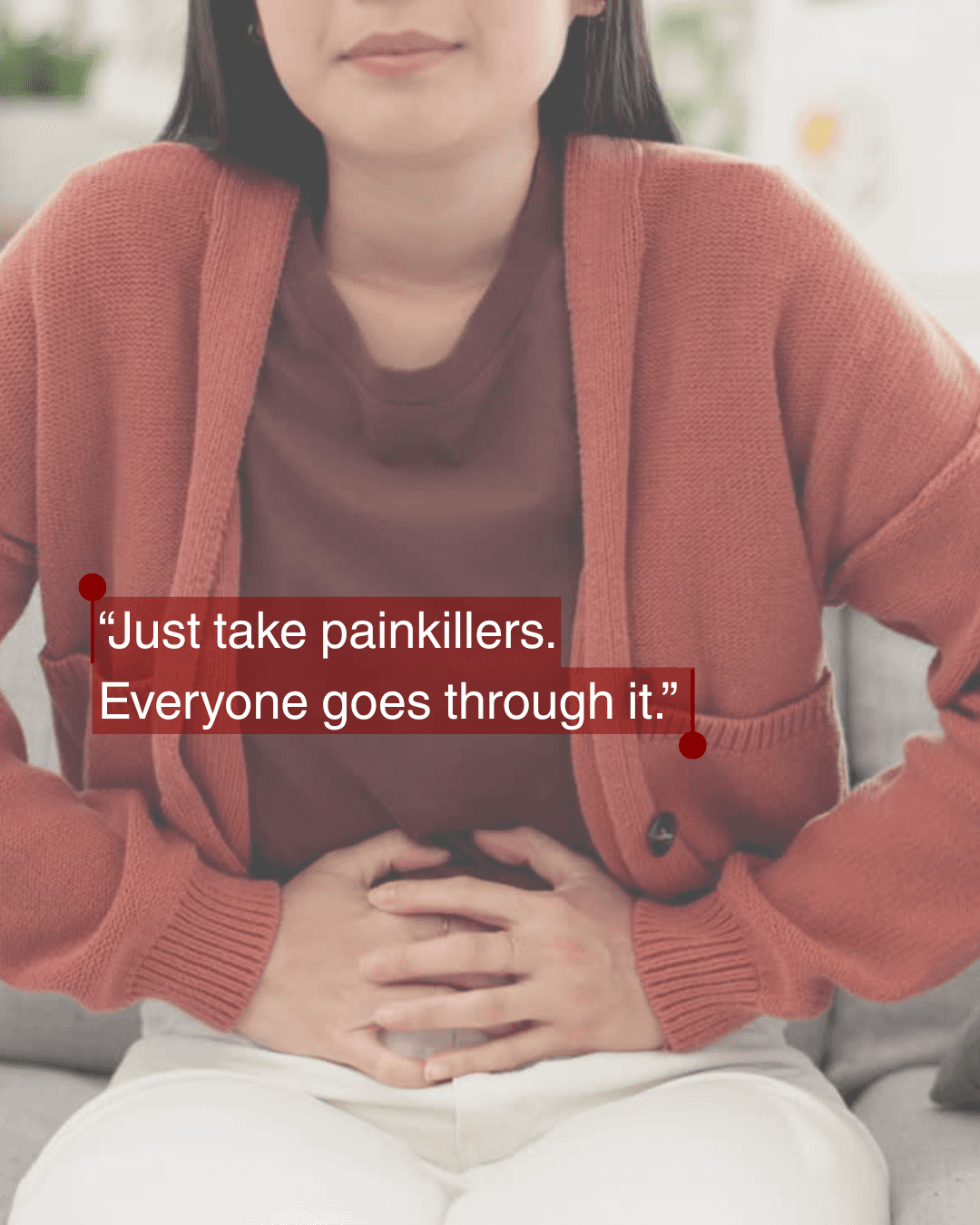
This is the silent story of so many women with conditions like endometriosis or adenomyosis—diseases that often don’t show up neatly on scans. It’s not unusual for women to go years, even a decade, before receiving a proper diagnosis. Instead, we’re told to try painkillers, “manage stress,” or simply accept that “periods are supposed to hurt.”
But here’s the truth: pain is data, even when scans don’t back it up. When we dismiss women’s descriptions because machines can’t confirm them, we reinforce a dangerous hierarchy—one where technology is believed over lived experience.
I often think about what those years cost me. Missed social gatherings. Opportunities turned down. Relationships strained because I couldn’t explain why I was “fine” one day and completely undone the next. Pain became the invisible filter through which I lived.
That’s why at SilentConvo, we focus on language as much as science. Because how you describe your pain—its timing, intensity, texture, triggers—matters. It creates a record that doesn’t vanish when the scan looks normal. It validates what your body already knows: something isn’t right.
Scans may not always catch the full picture. But our voices, if captured and taken seriously, can. Pain deserves more than dismissal. It deserves curiosity, compassion, and follow-through.
Other Convo You Should Hear
More stories, more insights, more shared experiences, because every SilentConvo matters.