Nov 11, 2025
When They Say “Just Deal With It”, The Quiet Harm of Normalising Pain
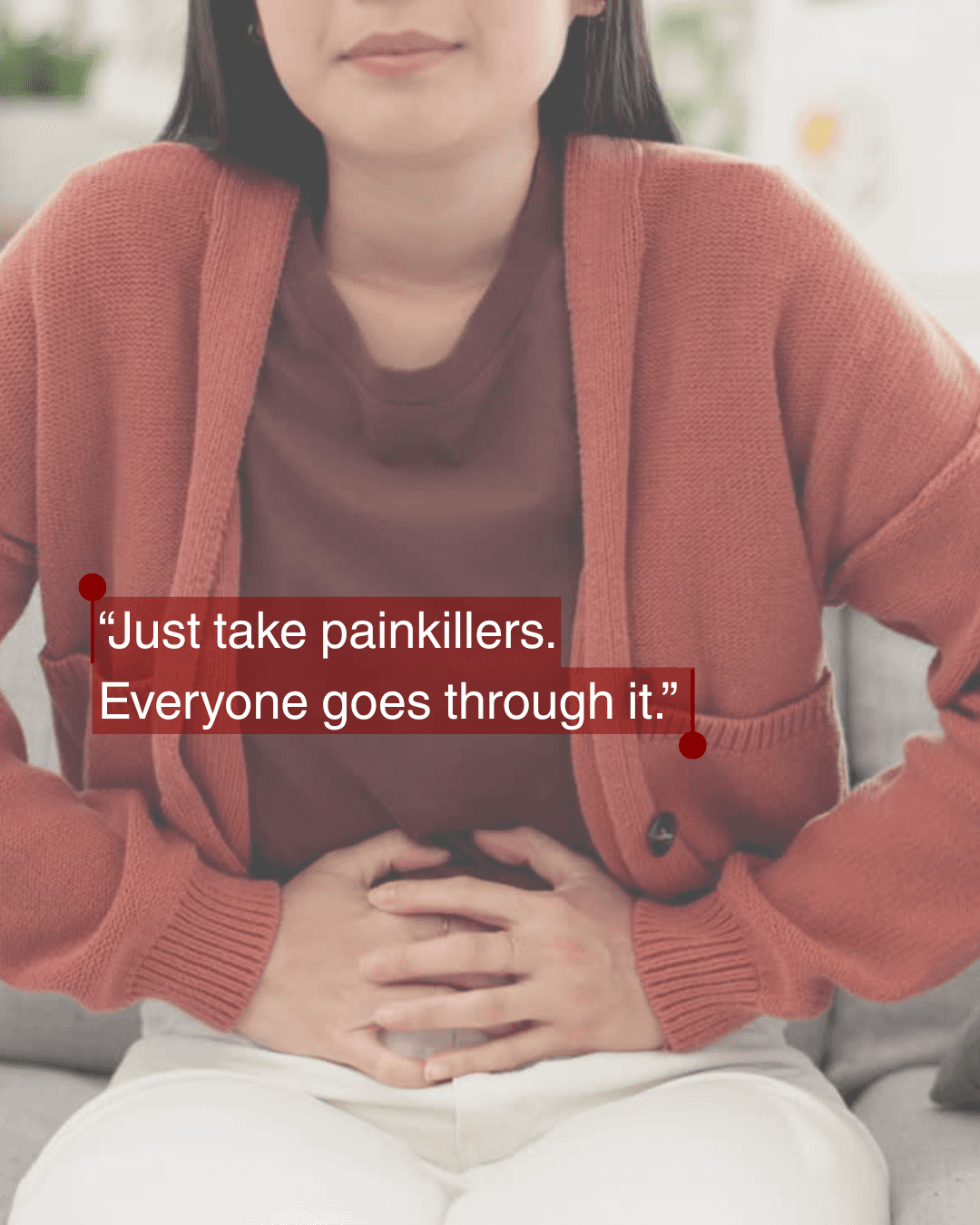
“Just take a Panadol.”
“Everyone goes through it.”
“You’re too sensitive.”
If you’ve heard this before, you’re not alone, and you’re not overreacting.
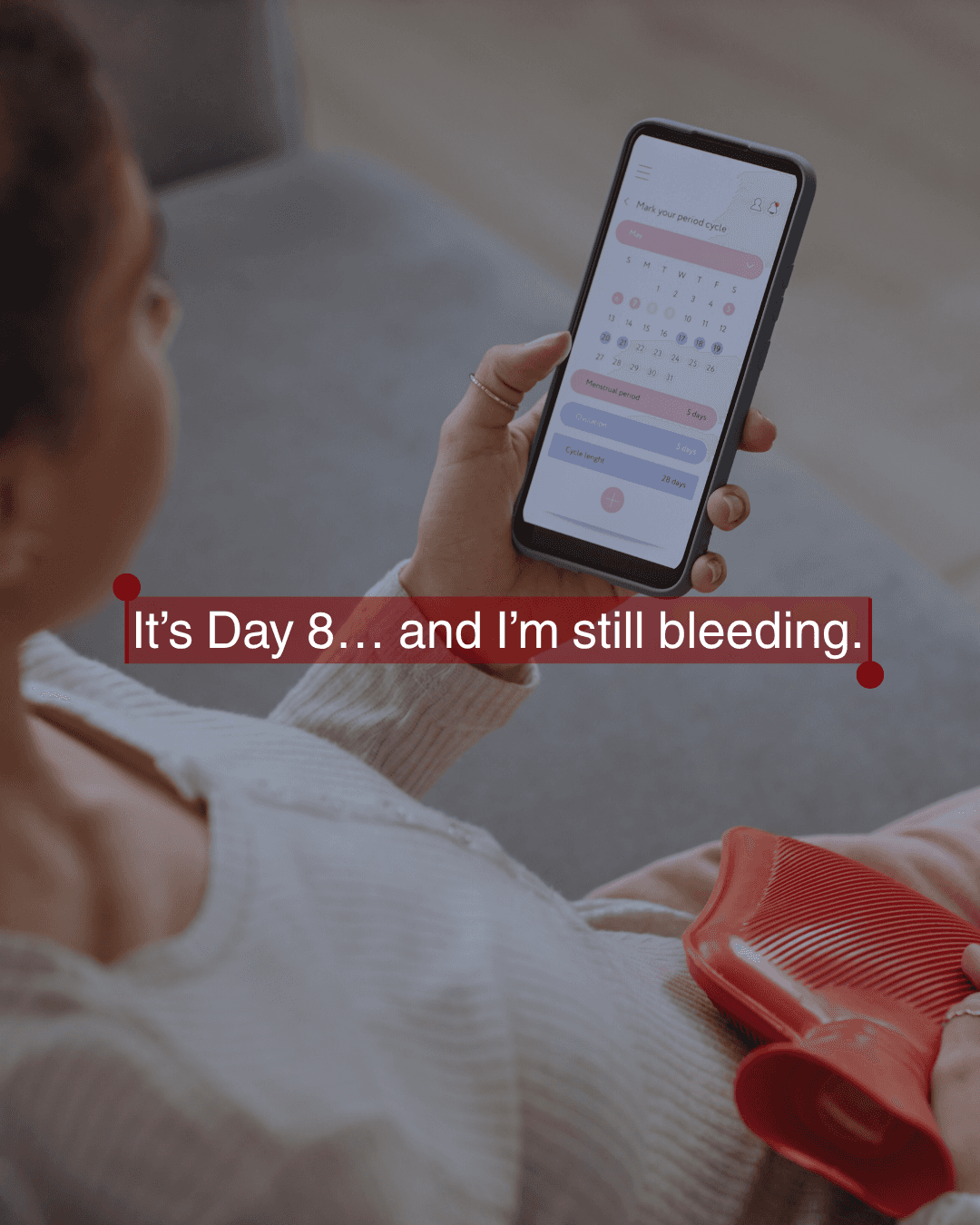
Cultural gaslighting around women’s pain runs deep. From family and friends to workplaces and healthcare settings, women are often told their pain is normal, or that they should simply endure it. While the intention may not be malicious, the effect is real: heavy periods, fatigue, mood swings, and dizziness become invisible burdens, silently shaping a woman’s life.
Heavy bleeding isn’t just inconvenient.
It disrupts daily routines, makes sitting through long meetings impossible, and can leave someone too exhausted to focus on work or personal life. Mood swings and physical discomfort can strain relationships, and the shame of “not coping well enough” adds an emotional layer to an already heavy burden.
Normalising pain doesn’t make it harmless.
It delays diagnosis, denies empathy, and deepens shame. Behind every “just deal with it” is a woman quietly asking: Am I the problem? The truth is, your pain isn’t imagined — it’s information. Every symptom, every dizzy spell, every mood swing is your body communicating, and it deserves attention, not dismissal.
The cost of normalization isn’t just physical, it’s emotional. Women often shrink themselves, hiding their pain to meet social expectations or workplace demands. They miss appointments, delay seeking help, and internalize the message that their suffering is unworthy of attention. This invisibility perpetuates cycles of misunderstanding, leaving many feeling isolated and frustrated.
At SilentConvo, we believe that every story shared helps break this cycle.
Each shared experience makes another woman realize she’s not crazy, she’s not alone, and she deserves care. When women speak up, their stories become data with a heartbeat: evidence that helps clinicians, funders, and policymakers understand challenges long ignored.
Sharing experiences also creates community. Women who openly talk about heavy periods empower others to recognize warning signs early, advocate for themselves, and seek care before the consequences escalate. Each story is a step toward making workplaces, families, and healthcare systems more empathetic and responsive.
Heavy periods aren’t a test of endurance. They’re a signal that the body needs attention. Pain isn’t a competition; it’s communication. And no one should have to “deal with it” alone.
💬 Share your Silent Convo.
Your story helps make the invisible visible; helping other women recognise what’s happening and guiding better care for all. Every story helps highlight what’s under-researched and shows that “normal” isn’t always healthy.
Other Convo You Should Hear
More stories, more insights, more shared experiences, because every SilentConvo matters.