Mar 1, 2025
When Pain Becomes a Monthly Deadline
The real cost of “just cramps” isn’t just pain — it’s lost work, missed opportunities, and silent suffering.
The Hidden Cost of “Just Cramps”
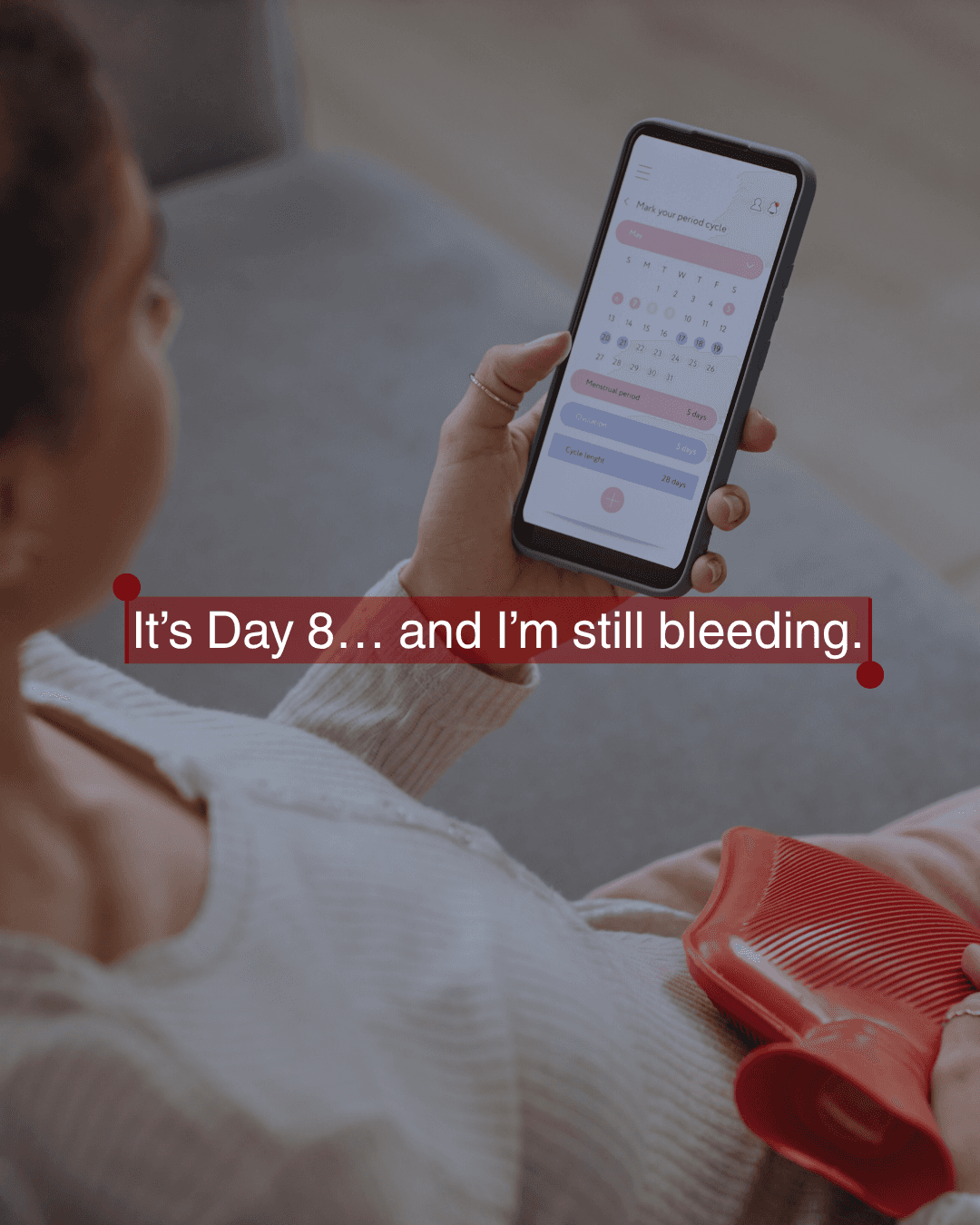
Every month, like clockwork, I face a challenge that no one talks about openly: the crippling pain of severe menstrual cramps. It’s not just discomfort. It’s a wave of sharp pain that crashes through my day, stealing my focus and energy, and sometimes forcing me to stop everything. For years, I pushed through — but that came at a cost.
The Reality Behind the Mask
When the cramps hit, I have two choices: suffer silently or explain myself to others. And explaining isn’t easy. Saying “I’m in pain” sometimes feels too vulnerable, too embarrassing, especially in professional settings. So I fall back on the “flu” excuse — something more socially acceptable, less likely to invite questions or judgement.
What’s worse is the unpredictability. Some days, the pain is manageable; others, it’s unbearable. On those worst days, I’ve had to take urgent leave from work. Calls, meetings, deadlines — all put on hold because my body demands rest. Over time, these absences add up.
The Invisible Impact on Work and Life
It’s not just the hours lost on the calendar. The mental load of hiding pain, the anxiety of “being caught out,” and the frustration of not being understood wears on me. Productivity isn’t just about what you do; it’s also about what you can’t do. The sharp cramps dictate when I can work and when I must stop.
Studies show that women lose an average of 9 workdays a year due to menstrual symptoms. That’s nearly two full work weeks — yet conversations about this are still taboo. Imagine how workplaces could adapt if they acknowledged this reality openly.
The Systemic Problem: Normalizing Pain
What frustrates me most is how “normal” pain is presented as something to just endure. Doctors often dismiss severe cramps as “just part of being a woman.” Friends say, “Everyone deals with it.” But this “normal” pain has consequences — physical, emotional, and economic.
For many, it’s a sign of underlying conditions like endometriosis or adenomyosis, which often go undiagnosed for years. The dismissal leads to delays in treatment and unnecessary suffering.
What Can Change?
We need more awareness, more open conversations, and better tools for women to understand and share their experiences. SilentConvo is designed to give voice to these hidden stories — to help women map their symptoms, decode patterns, and advocate for themselves with data.
By sharing our stories and insights, we can shift the narrative from silence and shame to understanding and support. Pain is real. Productivity matters. And neither should be ignored.
Other Convo You Should Hear
More stories, more insights, more shared experiences, because every SilentConvo matters.